
Compassion Without Condescension
Hans Brinker, or The Silver SkatesThis flow explores the difference between assistance that preserves dignity and social judgment that reduces people to their circumstances.
increasing Bearing strength in each event
 decreasing
Bearing strength in each eventdecreasingHilda’s Fair Exchange
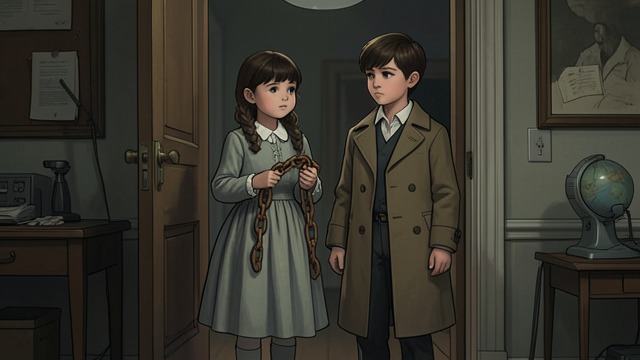
Hilda’s Fair Exchange
Charity meets pride
Hans Brinker refuses Hilda’s money because he and Gretel have not earned it. Hilda quickly reframes the gift as payment for a carved chain.
Dignity protected
Her solution allows Hans to accept help without surrendering his sense of worth. Compassion succeeds because it listens to the recipient’s feelings.
Peter’s Response to Honesty

Peter’s Response to Honesty
A reward declined
Peter offers Hans a share of the recovered purse, but Hans refuses. Peter recognizes that repayment would misunderstand the boy’s integrity.
Practical respect
He instead arranges paid work for Hans. The gesture treats him as a capable young worker, not merely as a poor person in need.
A Robber Still Human

A Robber Still Human
Justice without vengeance
Peter argues that the captured robber should be punished under law, not treated as beyond human concern. He imagines how different circumstances might have made the man’s life different.
Compassion widened
His view challenges the boys’ instinct to celebrate the robber’s suffering. The episode makes mercy compatible with accountability.
Aid During the Operation
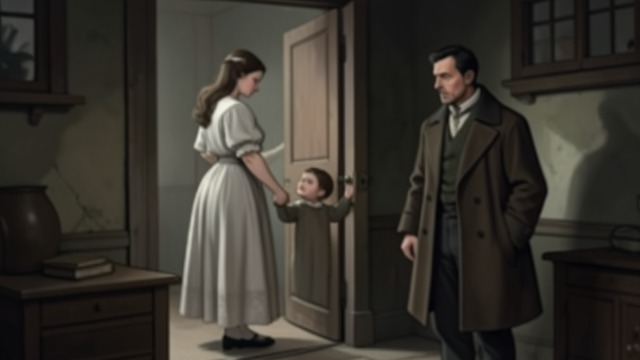
Aid During the Operation
Gretel’s need recognized
Hilda finds Gretel nearly overcome by cold while her father is being operated on. She offers physical help without demanding that Gretel explain herself first.
Care across status
The wealthy girl treats the peasant child as a person whose safety matters. Their encounter gives compassion a practical, urgent form.
Help Given as Work
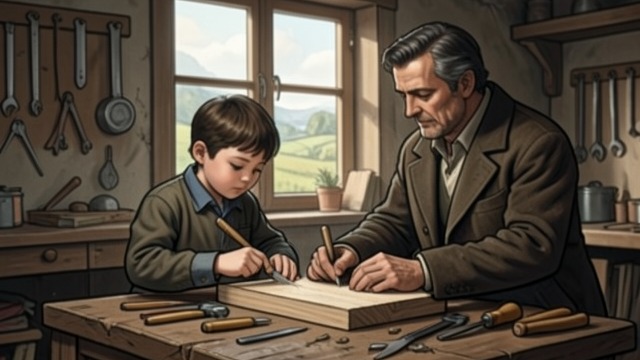
Help Given as Work
Opportunity rather than alms
Peter’s family gives Hans access to a workshop and pays him to carve. Dr. Boekman later offers to support his studies.
Dignity joined to opportunity
The assistance works because it opens a future that Hans can actively build. The story distinguishes generosity from the assumption that the poor need only pity.
When Hans refuses free money
After Hans returns the purse
After the court hearing in Leiden
The day Raff undergoes surgery
After the family’s return to hope
